The Best Time to Climb Mount Fuji: Which Month Is the Safest, Easiest, and Most Rewarding?
Date: 2026.03.10
The Best Time to Climb Mount Fuji: Which Month Is Safest, Easiest, and Most Worthwhile?
Mount Fuji (Fuji-san), standing at 3,776 meters, is the most iconic symbol of Japan. However, it is important to clearly distinguish between the following:
– Viewing Mount Fuji: You can visit and admire Mount Fuji all year round (depending on weather conditions and visibility).
– Climbing to the summit of Mount Fuji: This should only be done during the official climbing season. Outside of this period, the trails are extremely dangerous, and mountain huts and facilities are closed.
So, when is the best time to climb Mount Fuji? The answer lies in understanding the official climbing season and choosing the right month based on your personal goals.
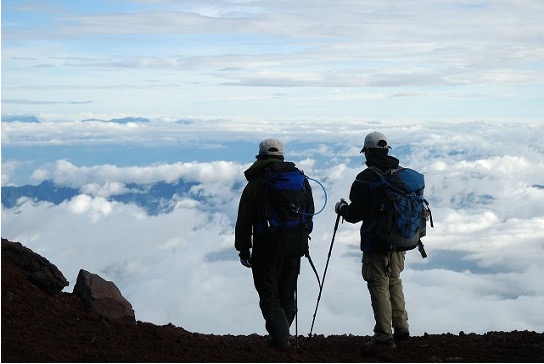
1) Official Mount Fuji Climbing Season: When Is the Mountain Open to Climbers?
According to the official information, the opening and closing dates vary by trail, but the most common climbing window is from early July to early September.
Sample schedule (for reference based on official announcements – dates may change each year depending on snow and trail conditions):
– Yoshida Trail: approximately July 1 – September 10
– Subashiri / Gotemba / Fujinomiya Trails: usually open later than the Yoshida Trail (generally from around July 10)
Outside the official climbing season, the authorities clearly emphasize that all trails are closed, and ascending to higher elevations involves significant risks and dangers.
2) Which Month Should You Climb Mount Fuji? (Choosing the Right Time for the Right Person and Goal)
A. July: The Most Beginner-Friendly Option
If this is your first time climbing Mount Fuji, July is often the safest and easiest month to plan your trip because:
– The climbing season has just started, and trails and facilities are usually operating smoothly
– Temperatures at higher elevations are still cold, but the risk of snow and ice is much lower than outside the official season
– It is easier to plan a 1-night climb – mountain hut stay – sunrise viewing experience without extreme overcrowding
Who is it suitable for?
– First-time climbers, people with average fitness levels, and those who want the “classic Mount Fuji experience” while prioritizing safety
B. August: Good Weather but the Busiest Month of the Year
August is typically the peak season, especially during Obon (mid-August), when the mountain can become very crowded.
Advantages
– Still within the official climbing season, with generally favorable weather
– A lively atmosphere: many people climbing together, sunrise viewing crowds, and a strong sense of shared experience
Disadvantages
– Heavy crowds → waiting times at certain sections (especially near the summit)
– Mountain huts are often fully booked if reservations are made too close to the climbing date
Tips for climbing in August with less fatigue
– Avoid weekends and the Obon holiday period
– Book mountain huts early (without a hut reservation, you may be forced to push through the night climb without proper rest)
C. Early September: Fewer Crowds, Cooler Temperatures, but More Weather-Sensitive
Early September is generally less crowded than August and offers a more comfortable experience. However:
– Temperatures are colder
– Weather conditions are more unstable (wind and rain are more common) → proper preparation is essential, including rain gear, thermal layers, and a headlamp
Who is it suitable for?
Those with prior trekking experience who prefer a quieter climb, enjoy a calmer atmosphere, and still want to stay within the official climbing season
3) Why Is Climbing During the Official Season Still So Important?
The official climbing season is the period when:
– Trails are properly managed and monitored for safety, with support stations available
– Mountain huts are open, providing rest areas, food and drinks, and restroom facilities
– There is significantly less snow and ice on the routes, greatly reducing the risk of slipping and accidents
Official sources also warn that outside the climbing season, routes above the 5th Station may be closed or unsafe, making ascent extremely dangerous even for experienced climbers.
4) Which Route Is Best for Beginners? (A Quick Guide to Choosing the Right One)
Mount Fuji has four main climbing routes, all starting from the 5th Station: Yoshida, Subashiri, Gotemba, and Fujinomiya.
Quick recommendations:
– Yoshida Trail: The most popular route, with many mountain huts and support facilities—very convenient for beginners (but also the most crowded)
– Fujinomiya Trail: Often shorter in terms of distance to the summit (depending on the starting point), but includes steeper sections
– Gotemba Trail: The longest and most physically demanding route, suitable for those with strong endurance
– Subashiri Trail: A well-balanced option, featuring forest scenery and pleasant trail views
If you are a first-time climber, the Yoshida Trail is usually the top choice thanks to its extensive support services and the presence of many other climbers, which provides a greater sense of safety.
5) Fees and Registration for Climbing Mount Fuji (Important to Know to Avoid Last-Minute Issues)
In recent seasons, entry controls and climbing fees have been introduced, especially on the Yoshida Trail (Yamanashi side). According to official announcements, a mandatory fee of 4,000 yen applies (payment can be made on site).
Practical notes
– Regulations may change depending on the year and the specific route → before your trip, always check the latest updates on the official website to avoid unexpected disruptions to your plan.
6) What Time Should You Climb to Catch the Perfect Goraikō (Sunrise)?
There are two common approaches to timing your Mount Fuji climb:
Option 1: Overnight Climb (The Classic Fuji Trekking Style)
– Arrive at the 5th Station in the afternoon → climb to the 7th or 8th Station
– Stay overnight at a mountain hut
– Around 1:00–3:00 a.m.: continue climbing to reach the summit in time for sunrise
Advantages: Reduces the risk of extreme fatigue and altitude sickness
Option 2: Continuous Night Climb (No Hut Stay)
– Chosen by some climbers, but it is very physically demanding
– Higher risk of exhaustion and altitude sickness
👉 Not recommended for beginners, as it significantly increases physical strain and safety risks.
7) A Thorough Preparation Checklist for Climbing Mount Fuji
A. Clothing (Most Important)
– Moisture-wicking T-shirt or base layer
– Thermal layer + windproof jacket
– Rain jacket (lightweight but with good wind protection)
– Gloves, beanie, or neck gaiter/buff (it can be extremely cold at the summit, even in summer)
B. Footwear – Socks – Anti-Blister Care
– Trekking shoes with good grip
– Thick socks to reduce blistering
– Heel blister tape (apply in advance to be safe)
C. Essential Equipment
– Headlamp (absolutely necessary for night climbing)
– Spare batteries or power bank
– 20–30L backpack with a rain cover
D. Water – Food – Medication
– Water and quick-energy snacks (chocolate, energy gels, bars)
– Headache or altitude-sickness medication (depending on individual condition)
– Heat packs (recommended if climbing toward the end of the season)
E. Cash
Cash is commonly required for purchasing water, food, restroom use, and services at mountain huts and rest stations.
8) Practical Tips for a Safer and More Enjoyable Climb
– Slow and steady wins: Mount Fuji is not about speed—it’s about maintaining a consistent pace.
– Prioritize staying at a mountain hut if it’s your first climb: This helps reduce fatigue and lowers the risk of altitude sickness.
– Monitor wind and rain conditions closely: Mount Fuji is known for strong winds, and climbs may be suspended for safety reasons. Even during the official season, bad weather days can still occur.
9) Conclusion
To climb Mount Fuji safely and enjoy a complete experience, the best time is from July to August, when the official trails are open and weather conditions are more stable. For first-time climbers, July is the easiest and most beginner-friendly option, while August is ideal if you want to experience the lively atmosphere of peak season. If you already have trekking experience and prefer fewer crowds, early September can also be considered, but it requires thorough preparation due to colder temperatures and rapidly changing weather.
Regardless of when you go, make sure to prepare proper clothing and essential equipment, and always check weather conditions before departure. Choosing the right season, climbing at a steady pace, and managing your energy well will help ensure a safe, memorable, and truly rewarding Mount Fuji climb.
Related news
-

Contemplating Life Through 14 Japanese Philosophies
In a world that constantly urges people to be faster, better, and more perfect, the Japanese choose a different path:...
-

Japan Cherry Blossom Blooming Schedule 2026 – Detailed Forecast by Region
🌸 Japan Cherry Blossom Blooming Schedule 2026 – Detailed Regional Forecast Cherry blossoms (sakura) are not only a symbol of...
-

The Japanese Spirit of Wa – The Philosophy of Harmony That Shapes Japanese Social Identity
Amid a world that increasingly emphasizes speed, competition, and individual ego, Japanese society operates to a very different rhythm: orderly,...
-

Winter in Japan – A Journey Filled with Festive Colors and Culinary Delights
❄️ Winter Festivals – Food Spots – Entertainment in Japan ✨ Experience Japan’s winter in the most authentic and vivid...
-

Discover Japan differently: Hidden and lesser-known destinations
When we think of traveling to Japan, most of us picture the vibrant energy of Tokyo, the timeless charm of...
-

Top Cherry Blossom viewing spots in Japan you shouldn’t miss
🌸 Springtime in Japan – When every petal whispers a story There is a magical moment each year when Japan...


